

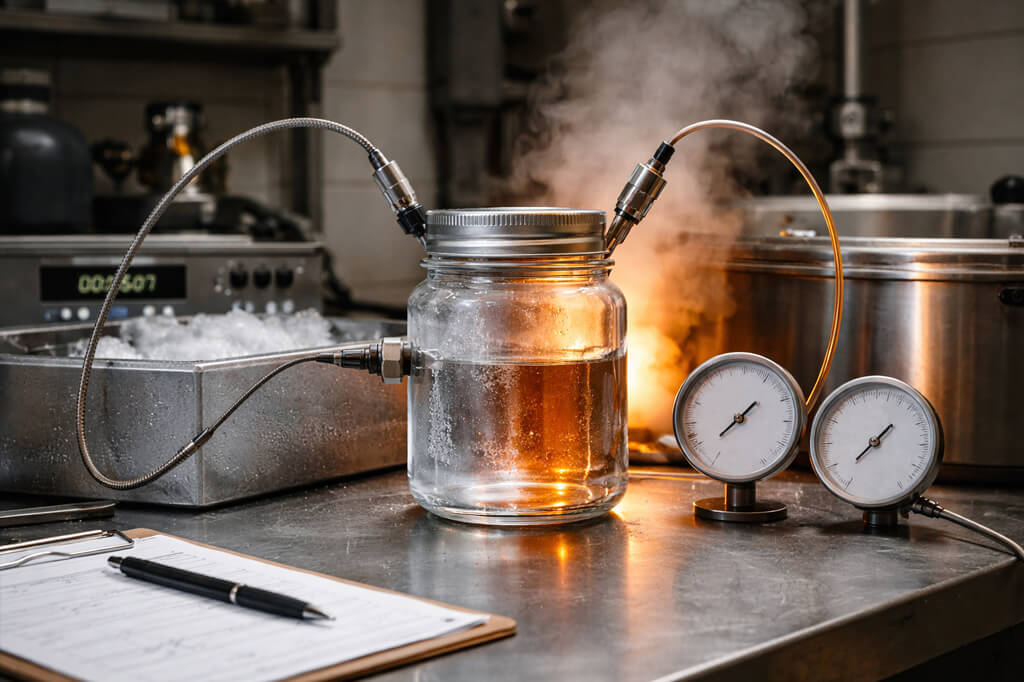
As winter conditions set in, many food and beverage producers experience an increase in breakages during filling operations. One of the most common causes is thermal shock, a phenomenon that occurs when glass containers are exposed to rapid temperature changes. Understanding thermal shock and how to manage it is essential for maintaining line efficiency, product safety, and customer satisfaction.
Glassworks International has been supplying our many UK customers with the highest quality glass packaging, providing outstanding value and dedicated service, nationwide for 25 years.

Stuart Alexander heads up our technical and quality department, providing a wealth of glass production experience and expertise gained over many years. Stuart is always on hand to offer support and advice and to answer any questions you may have.
Glassworks International has been supplying our many UK customers with the highest quality glass packaging, providing outstanding value and dedicated service, nationwide for 25 years.
Stuart Alexander heads up our technical and quality department, providing a wealth of glass production experience and expertise gained over many years. Stuart is always on hand to offer support and advice and to answer any questions you may have.
Thermal shock occurs when there is a significant temperature difference between the inside and outside surfaces of a glass container. Glass is a poor conductor of heat, so sudden changes create internal stresses. If these stresses exceed the strength of the glass, cracks or catastrophic failure can occur. This is particularly relevant when cold glass bottles or jars are filled with hot product, or when hot containers are exposed to cold wash water or ambient conditions.
Glass manufacturers take several steps to reduce the risk of thermal shock. These include carefully controlled annealing processes to relieve internal stresses, optimised glass composition, and container designs that distribute stress more evenly. However, even well-manufactured glass has physical limits, and thermal shock resistance will vary depending on container design, weight, and geometry.
Fillers and packers also play a critical role in preventing thermal shock. Containers should be stored in temperature-controlled environments where possible, especially during cold weather. Gradual pre-warming of glass before hot filling can significantly reduce temperature differentials. Likewise, cooling processes should be controlled to avoid sudden exposure to cold water or air.
Common signs of thermal shock include vertical cracks or sudden collapse during or shortly after filling. Monitoring breakage patterns can help identify whether thermal shock is the root cause. If breakages increase during colder periods or when product temperatures change, thermal shock should be considered as a likely contributor.
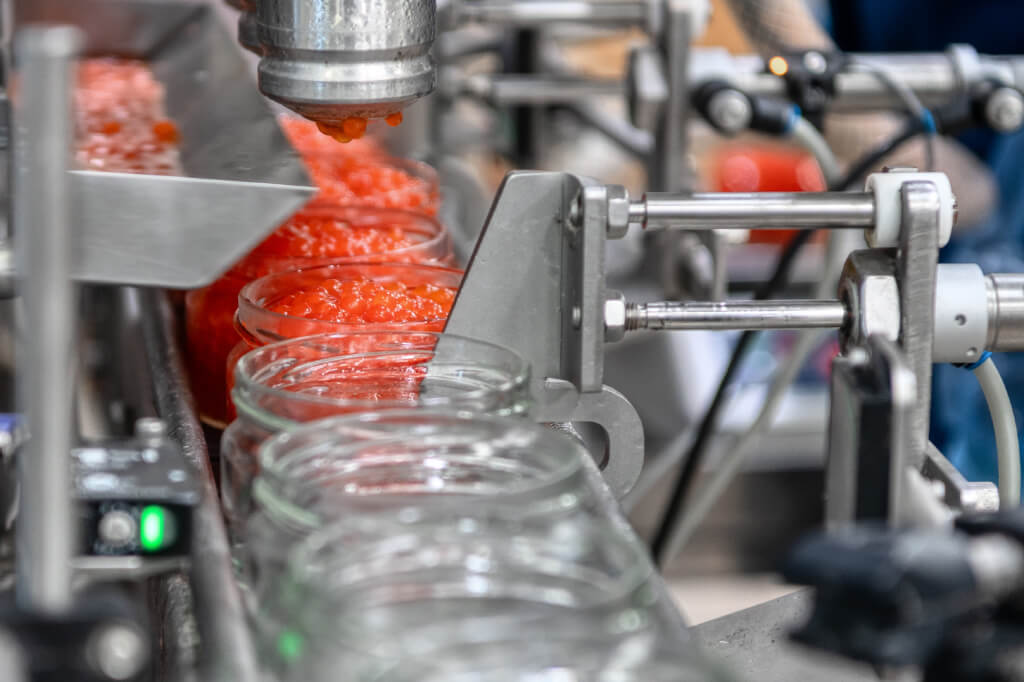
To mitigate thermal shock risks, operators should review filling temperatures, container handling practices, and environmental conditions. Clear communication between glass suppliers and fillers is also essential to ensure containers are matched to the intended application.
By understanding thermal shock and taking proactive steps to manage temperature changes, food and beverage producers can significantly reduce breakage rates and improve overall operational reliability.
If you have any comments or questions on this subject or any other specialist glass topic, please get in touch with our team of experts.
Glassworks International has been supplying our many UK customers with the highest quality glass packaging, providing outstanding value and dedicated service, nationwide for 25 years.
Stuart Alexander heads up our technical and quality department, providing a wealth of glass production experience and expertise gained over many years. Stuart is always on hand to offer support and advice and to answer any questions you may have.
Glassworks International takes pride in keeping up to date with the latest technologies and trends within glass manufacturing and production.