

The glass container industry has developed a distinctive technical vocabulary shaped by centuries of furnace operation, forming technology, and quality inspection. Many of these terms originated during the era of manual glass production and have remained embedded in the language of modern, highly automated plants. Understanding this terminology helps technical, production, and quality teams communicate effectively across the manufacturing process.
Here are a few examples of commonly used terms within the glass container industry and their origins:
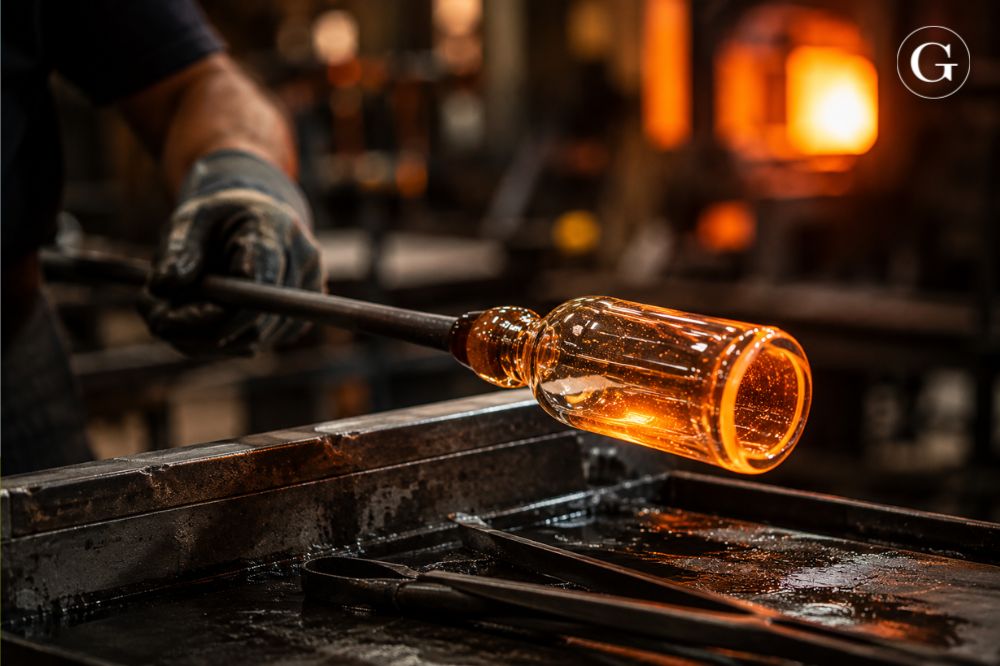
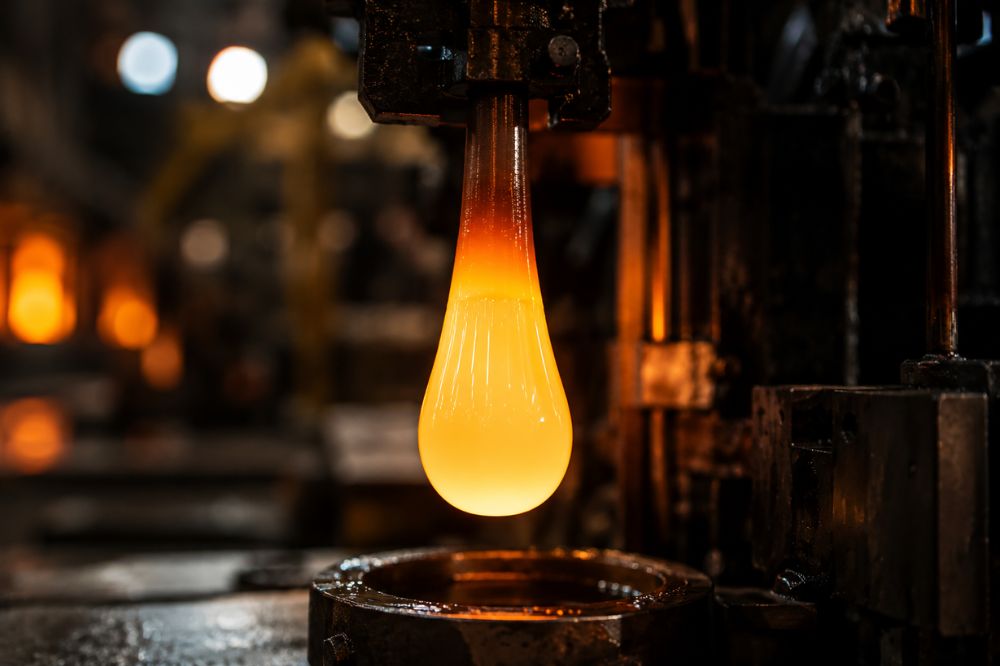
A gob is the precisely metered portion of molten glass delivered from the forehearth to the forming machine. The term is widely believed to derive from an old English word “gob,” meaning a lump, mass, or mouthful of material, a usage that dates back several centuries in everyday language. This reflects the visual and physical nature of molten glass as it is cut and delivered in discrete portions.
In container manufacturing, controlling gob weight, temperature, and shape is critical because these parameters directly influence glass distribution and container quality.
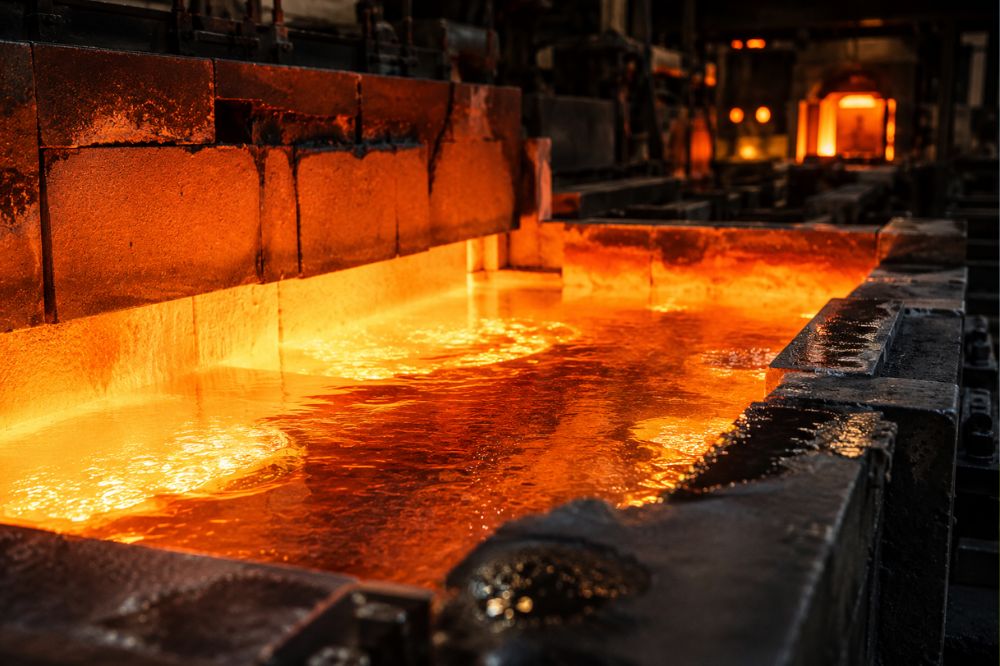
The forehearth is the refractory-lined channel that carries molten glass from the furnace to the forming machines. Its primary role is to thermally condition the glass so it reaches the correct viscosity for gob formation and container forming. The term originates from its position “before the hearth,” referring historically to the working section between the melting furnace and the forming area.
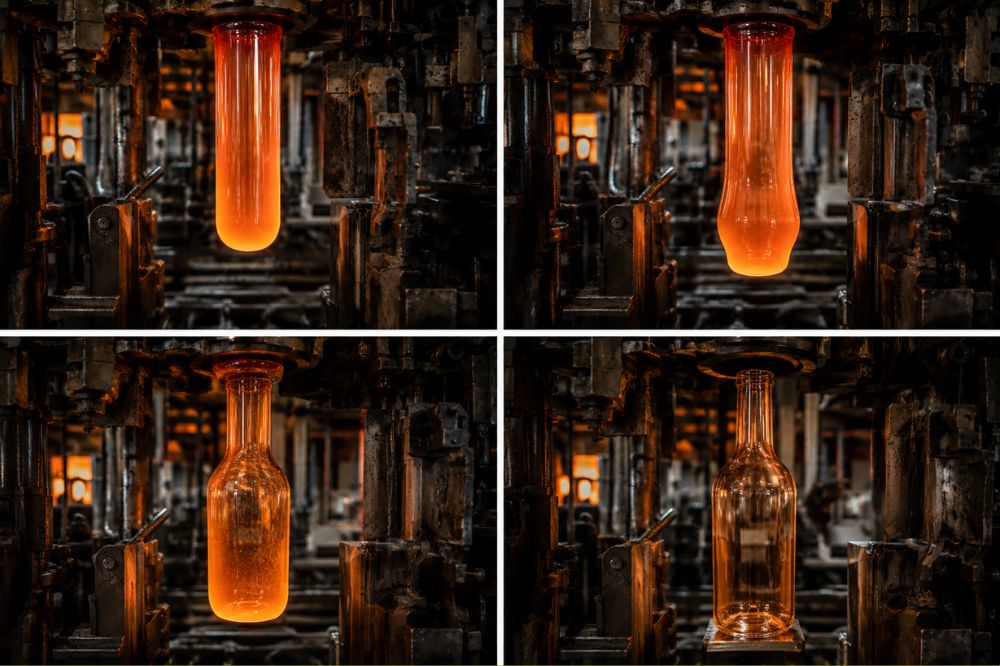
A Parison is the intermediate form created during the first stage of container forming, whether in Blow-and-Blow or Press-and-Blow processes. The word comes from the French paraisson, meaning a preliminary form or blank, reflecting its role as the preform that is later expanded into the finished container.
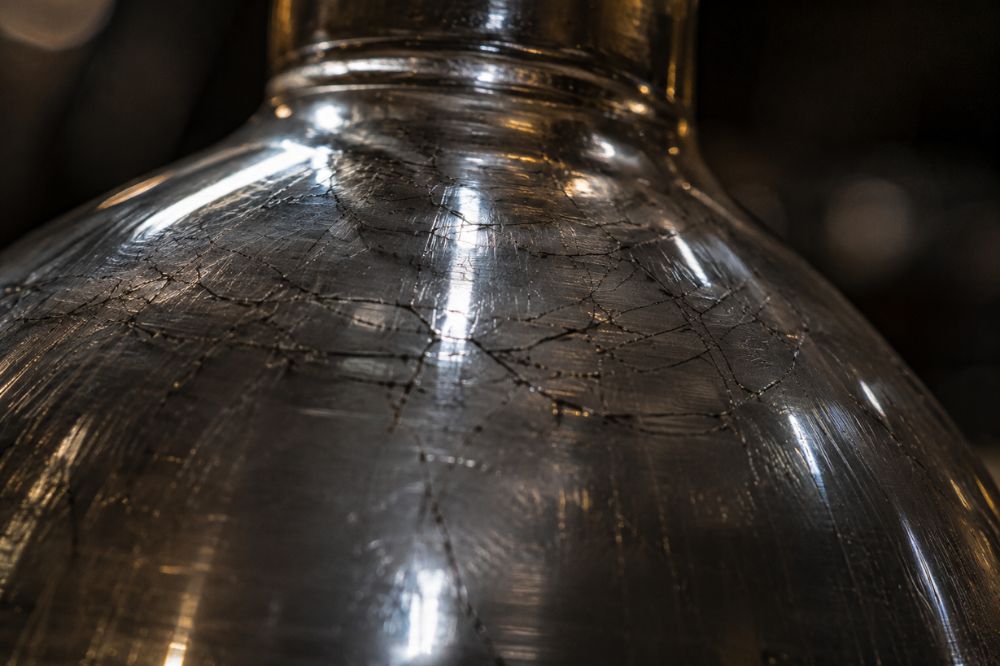
Checks are fine cracks in the glass surface, typically caused by thermal stress, mechanical impact, or handling damage. The term reflects the idea of a surface being “checked” or interrupted by small fractures. Even microscopic checks can compromise container strength and lead to failure during filling or thermal shock.

Seeds are small gaseous inclusions trapped within the glass matrix. Their name comes from their resemblance to tiny seeds suspended in the glass. Seeds are often associated with incomplete refining, gas release from batch materials, or refractory interactions.

Cords, also referred to as Striae, are streaks of inhomogeneous glass caused by variations in composition or temperature within the melt. The term “cord” describes their thread-like appearance, while striae originates from Latin, meaning grooves or streaks.
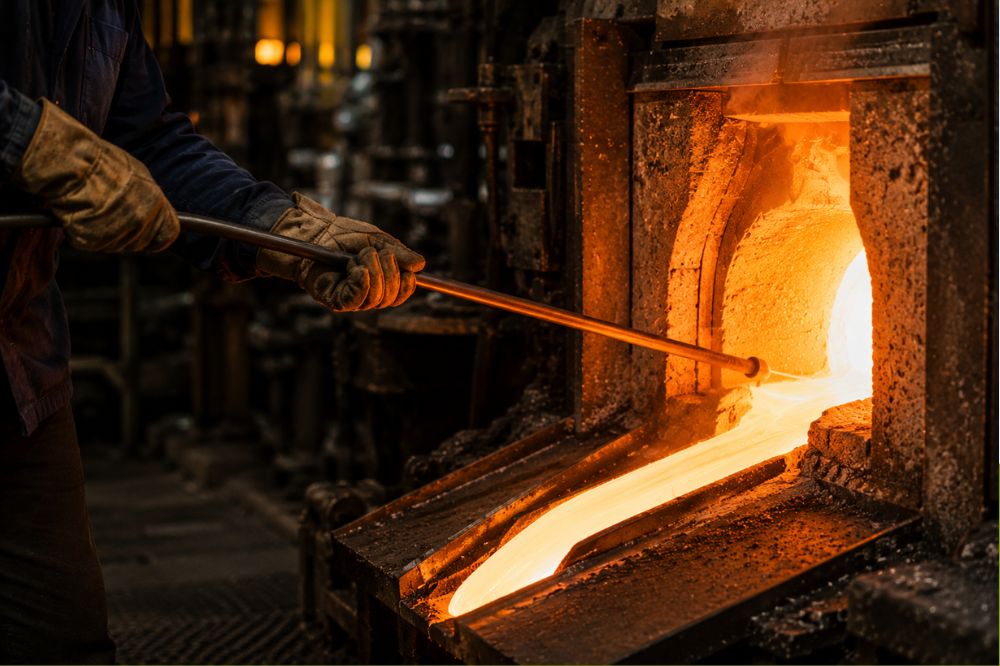
A Teazer is a furnace operator responsible for managing the flow and working condition of molten glass around the furnace or forehearth. Historically, the role involved manually “teasing” or manipulating molten glass using specialised tools to maintain consistent flow and remove obstructions. Although modern furnaces are largely automated, the term remains part of traditional glasshouse terminology.
As the glass container industry continues to advance through improved furnace design, forming technology, and quality control systems, its unique vocabulary remains an important link between the craft heritage of glassmaking and modern manufacturing expertise.
Glassworks International has been at the heart of the global glass container industry since 2002, providing in-depth technical insight, industry news, and expert analysis from across the glassmaking supply chain.
Through its print and digital platforms, Glassworks International connects manufacturers, suppliers, and industry specialists, sharing the knowledge and innovations that continue to shape the future of glass packaging.
Interested in learning more about glassmaking and the technologies shaping the industry today?
Get in touch with the Glassworks International team or explore our latest articles, technical features, and industry insights. We’d be delighted to help you stay informed and connected with the global glass container community.
“48 Years of Furnace Technology: From Orsat Apparatus to Automation” offers a fascinating insight into the evolution of glass manufacturing; combining technical expertise, industry history, and real-world experience from inside the furnace plant itself.
If you have any technical questions about glass production, container performance, or would like support from our experienced team, get in touch with Glassworks International team today.
We are experts in glass packaging, supporting our customers with over 100 years of joint company experience, with a genuine focus on providing industry best standards of product and service.

Stuart Alexander heads up our technical and quality department, providing a wealth of glass production experience and expertise gained over many years. Stuart is always on hand to offer support and advice and to answer any questions you may have.
If you have any technical questions about glass production, container performance, or would like support from our experienced team, get in touch with Glassworks International team today.
Glassworks International has been supplying our many UK customers with the highest quality glass packaging, providing outstanding value and dedicated service, nationwide for 25 years.
Stuart Alexander heads up our technical and quality department, providing a wealth of glass production experience and expertise gained over many years. Stuart is always on hand to offer support and advice and to answer any questions you may have.
Glassworks International takes pride in keeping up to date with the latest technologies and trends within glass manufacturing and production.