
There’s More to a Wine Bottle Than Meets the Eye

When we think about wine, we often focus on the grape variety, the vineyard, the vintage and, of course, the taste. But how often do we consider the bottle itself?

When we think about wine, we often focus on the grape variety, the vineyard, the vintage and, of course, the taste. But how often do we consider the bottle itself?
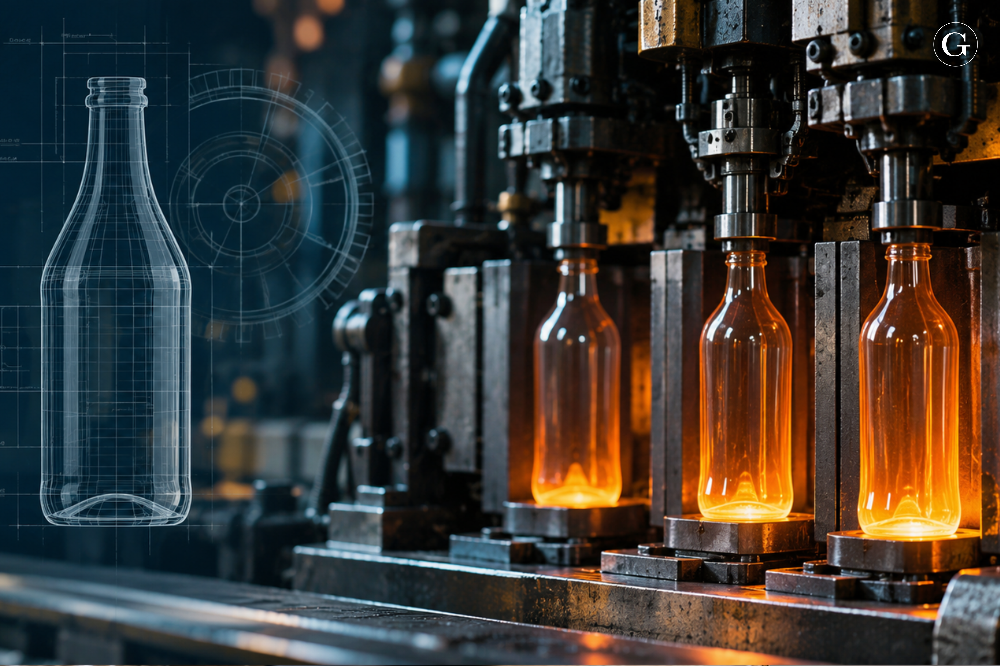
Pick up a jar of jam or a bottle of beer and you are holding something formed in a matter of seconds, by a machine whose ancestors worked much like a child’s music box.
For centuries every bottle was blown by hand, and its quality rested entirely on the skill of the glassblower. Consistency was hard to come by. In the early 1900s the Owens bottle machine turned glassmaking from a craft into an industry, but the real breakthrough was the Individual Section, or IS, machine; Still the backbone of glass container production today.
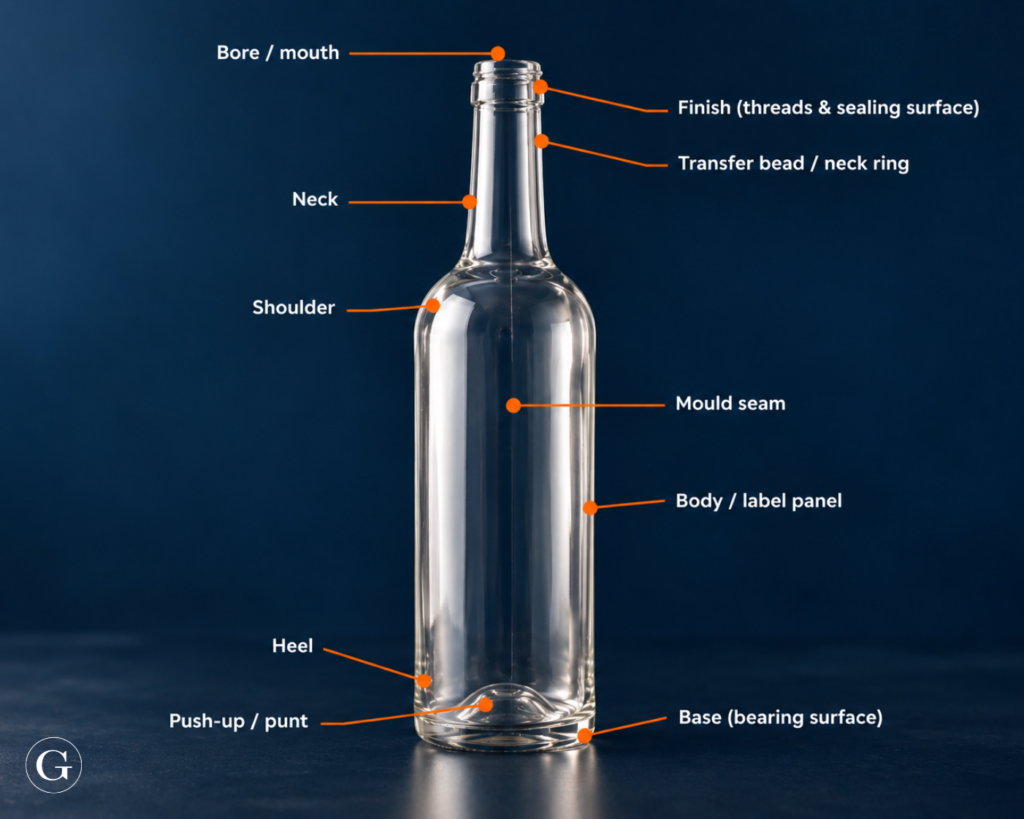
Every part of a glass container has a job to do. Here’s a quick tour from top to bottom. A glass bottle looks simple, but every part of it is designed for a purpose: sealing, strength, labelling or stability on the filling line. Knowing the names of the parts makes specifications clearer and problems quicker to solve. The same anatomy applies to jars too. They just have a wider mouth, a much shorter neck and a steeper shoulder.
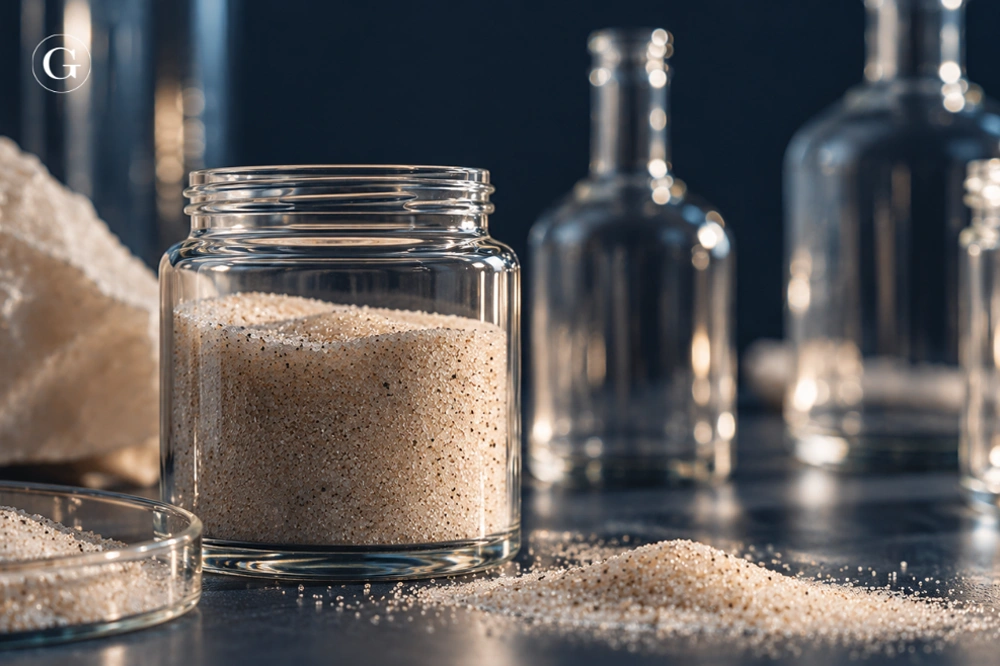
Sand is one of the most abundant materials on earth; But the glass container industry is highly selective about which sand it uses. The reason comes down to chemistry, and it matters more than most people outside the industry realise.
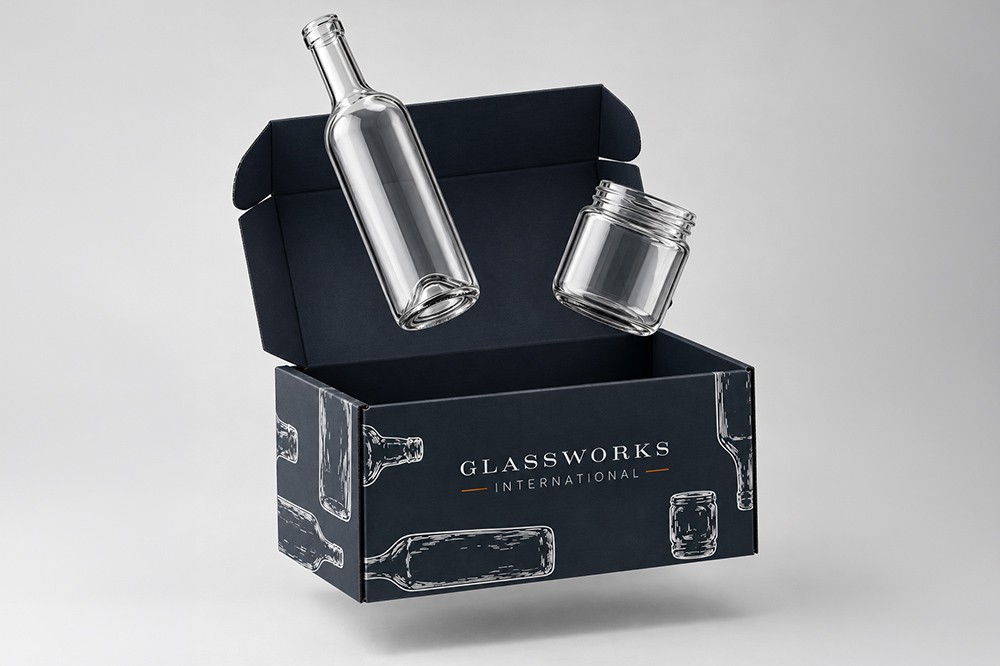
What does it actually take to get thousands of glass bottles and jars from the manufacturer to a customer, on time, in the right place and exactly when they’re needed?

We all know that staying hydrated is important, whether we’re at work, exercising, travelling or simply going about our everyday routines.
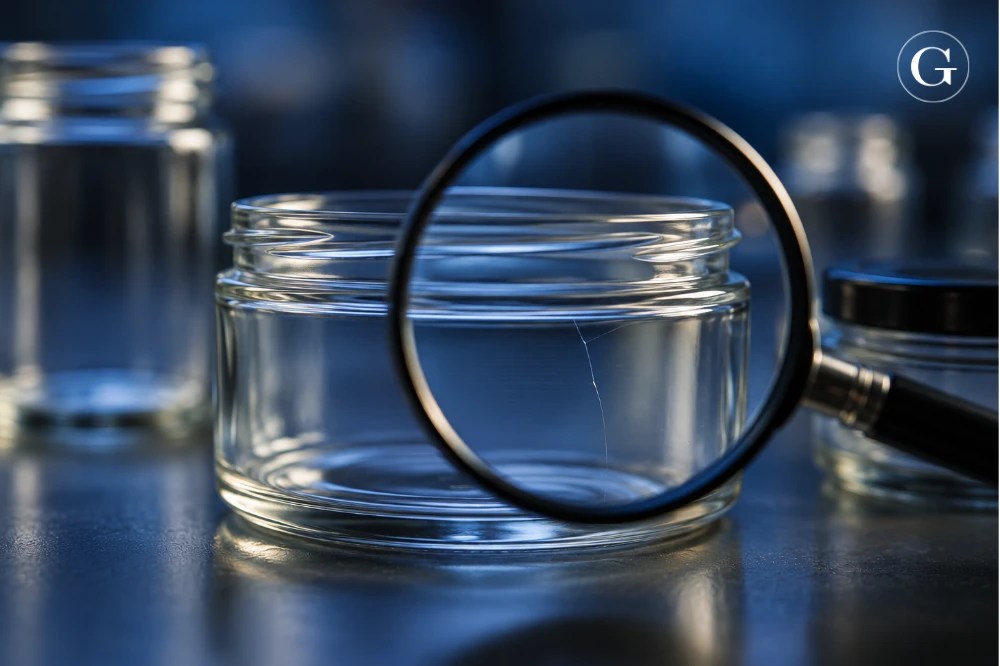
In the glass container industry, price is rarely the whole story. For buyers sourcing glass through a merchant; a trader who buys opportunistically from whichever manufacturer can fulfil the order – the initial invoice may look attractive.

At Glassworks International, strong customer relationships are at the heart of everything we do. Behind every successful partnership is a dedicated team committed to delivering exceptional service, industry expertise and reliable glass packaging solutions.
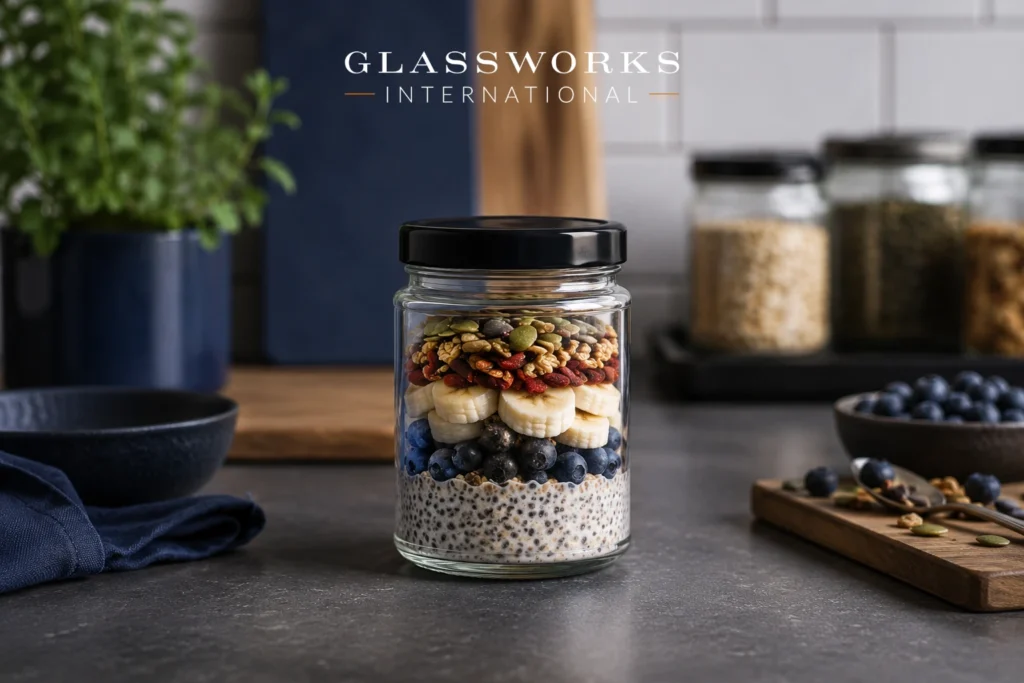
In today’s highly competitive packaging market, sourcing glass bottles and jars is no longer just about price; it’s about reliability, consistency, and technical assurance.
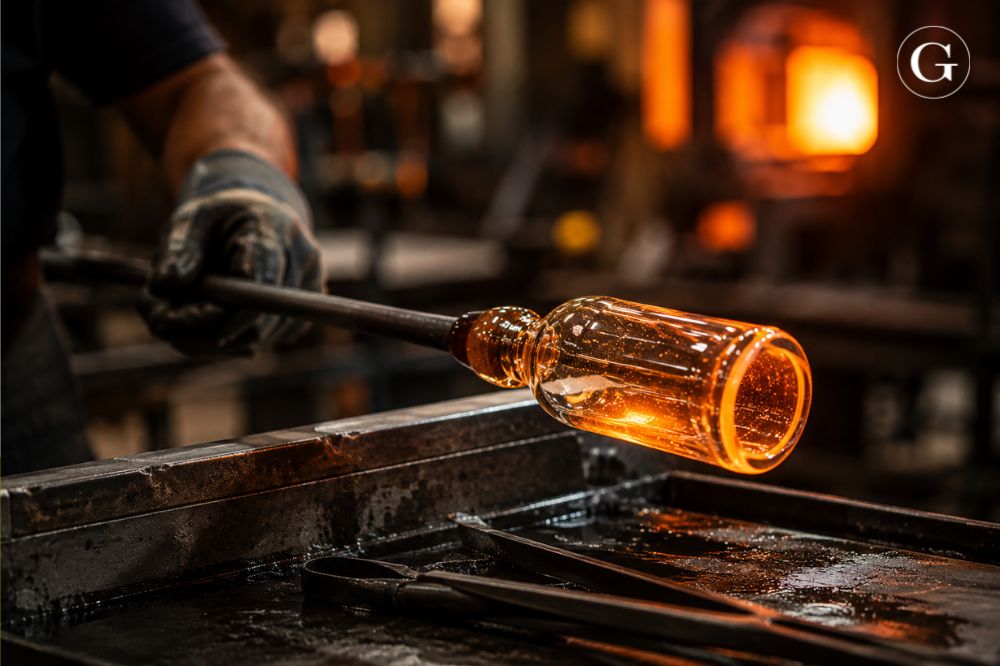
From hands-on furnace operations in the late 1970s to the highly automated glass manufacturing environments of today, this latest article…